

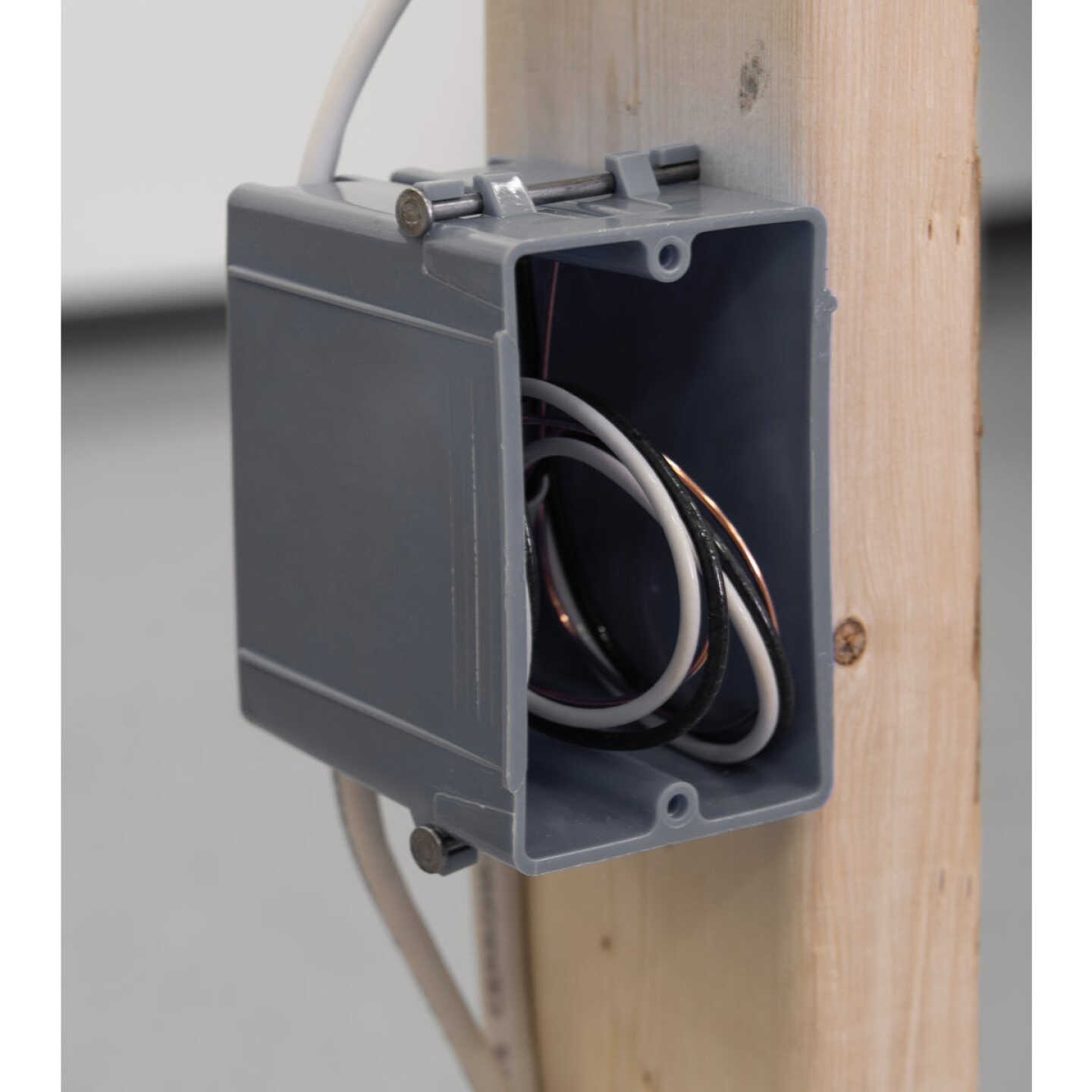
Malibu Electrical Outlet Boxes: Nail-On vs. Remodel — What’s the Difference?
Whether you're wiring a new home or updating an existing structure, choosing the right electrical outlet box is essential for a safe and professional-grade installation. At Sonic Electric, Malibu offers a complete line of durable, code-compliant outlet boxes designed for electricians who demand value and performance on every job.
Let’s break down the differences between New Work (Nail-On) and Old Work (Remodel) outlet boxes, and which type fits your project best.
1. New Work Outlet Boxes (Nail-On)
Also Known As: Nail-On, Pre-Construction Boxes
Best For: New construction where studs and framing are exposed
Key Features:
-
Installed before drywall or wall finish is applied
-
Designed with nail tabs or brackets to fasten directly to wall studs
-
Provides a rigid and secure mounting surface
-
Common in residential and commercial builds
Applications:
-
Homes, apartments, new commercial builds
-
Ideal for rough-in wiring during the framing stage
Available Malibu Sizes & Configurations:
-
Single Gang (for one device)
-
Double Gang (for two devices)
-
Triple Gang (for three switches or outlets)
-
Deep Boxes for extra wire capacity
Material:
-
High-impact non-metallic PVC in gray (Malibu signature)
-
NEC-compliant, UL-listed
2. Old Work Outlet Boxes (Tiger Claw / Remodel)
Also Known As: Remodel Boxes, Tiger Boxes
Best For: Existing walls where drywall is already in place
Key Features:
-
Installed after drywall is up
-
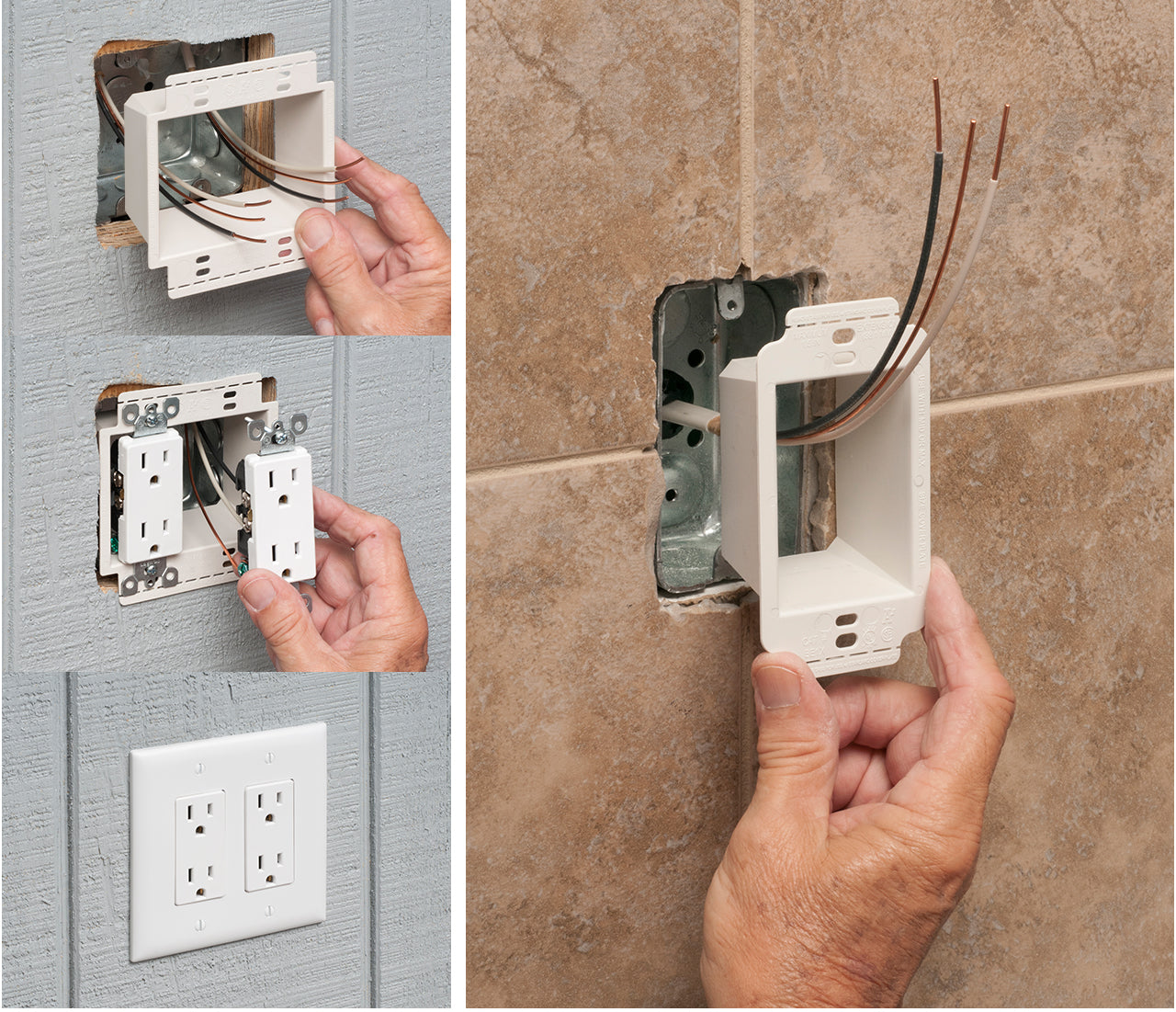
Secures to drywall using clamp-style wings or tiger claws that expand behind the wall
-
No need to open wall framing — ideal for retrofits and upgrades
-
Faster install time for finished surfaces
Applications:
-
Remodeling projects, upgrades, additions
-
Ideal for smart switch installs, outlet additions, or updating outdated wiring
Available Malibu Sizes & Configurations:
-
Single Gang
-
Double Gang
-
Adjustable Depth boxes available for varying drywall thickness
Material:
-
Non-metallic, rugged thermoplastic
-
Flame retardant and shatter-resistant
Key Differences at a Glance
| Feature | New Work (Nail-On) | Old Work (Remodel/Tiger) |
|---|---|---|
| Install Timing | Before drywall | After drywall |
| Mounting Method | Nailed or screwed to stud | Secured by wings/tiger claws |
| Best For | New builds | Remodels, retrofits |
| Wall Access Required | Framing exposed | Minimal – hole in drywall only |
| Common Use Case | Rough-in electrical installations | Adding outlets or switches post-build |
Why Choose Malibu Outlet Boxes?
Malibu’s outlet boxes are engineered for electricians who want:
-
Speed of install without sacrificing quality
-
Field-tested durability to withstand jobsite conditions
-
Cost-effective pricing without the big brand markup
-
Distinctive gray finish that helps differentiate from standard blue boxes
Malibu outlet boxes are fully UL-listed, NEC-compliant, and available in bulk contractor packs to keep you stocked and ready for every job.
Choosing the Right Box
Ask yourself:
-
Are you working with open framing or finished drywall?
-
How many devices will go in the box — one, two, or more?
-
Do you need extra depth for dimmers, GFCIs, or complex wiring?
-
Will you be installing in residential, commercial, or multi-family?
In Stock Now at Sonic Electric
Sonic Electric carries the full Malibu line of:
-
Nail-On Outlet Boxes
-
Tiger Remodel Boxes
-
Deep and Multi-Gang Options
Need help with sizing, bulk orders, or job quotes?
Call us at (323) 934-3744 or visit SonicElectric.com to get started.
Share:
A Step-By-Step Guide To Circuit Breaker Installation
200 Amp Panel Upgrade Kit – Complete Materials Guide for Overhead & Underground Service