

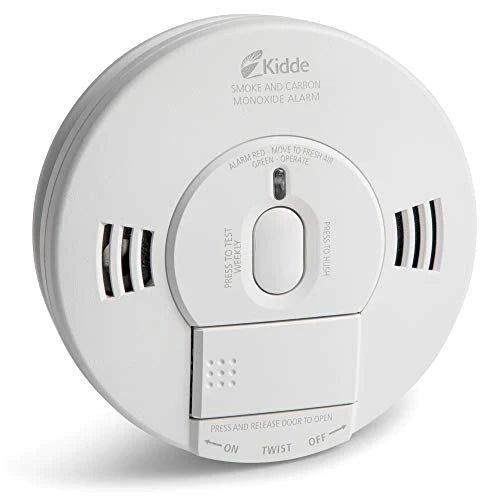
Sonicelectric.com offers a wide range of smoke alarms, providing customers with an extensive selection to choose from. They offer different types of smoke alarms, including photoelectric and ionization sensors, as well as hardwired and battery-operated options, ensuring that customers can find the perfect smoke alarm for their needs.
Check Out Selection
Smoke and carbon dioxide alarms are essential safety devices that every home should have. These alarms are designed to detect the presence of smoke and carbon dioxide in the air and alert you to potential dangers, such as fire or carbon monoxide poisoning. In this blog, we will discuss the importance of smoke and carbon dioxide alarms, how they work, and why it is important to keep them in good working order.
Firstly, it's important to understand the difference between smoke and carbon dioxide alarms. Smoke alarms are designed to detect smoke particles in the air, indicating the presence of a fire. Carbon dioxide alarms, on the other hand, are designed to detect the presence of carbon monoxide gas, which is an odorless, colorless gas that can be lethal when inhaled.
Both types of alarms work by using sensors that detect the presence of smoke or carbon dioxide in the air. Smoke alarms typically use either ionization or photoelectric sensors, while carbon dioxide alarms use electrochemical sensors. When smoke or carbon dioxide is detected, the alarm will sound, alerting you to potential danger.
It's important to note that smoke and carbon dioxide alarms have a limited lifespan and should be replaced every 10 years. Additionally, it is important to test your alarms regularly to ensure that they are functioning properly. This can be done by pressing the test button on the alarm, which will cause it to sound a brief alarm to confirm that it is working.
It's also important to keep your smoke and carbon dioxide alarms in good working order by regularly cleaning them and replacing their batteries as needed. Smoke alarms typically use 9-volt batteries, while carbon dioxide alarms may use either 9-volt batteries or be plugged into an electrical outlet. It is important to replace the batteries in your alarms at least once a year


Share:
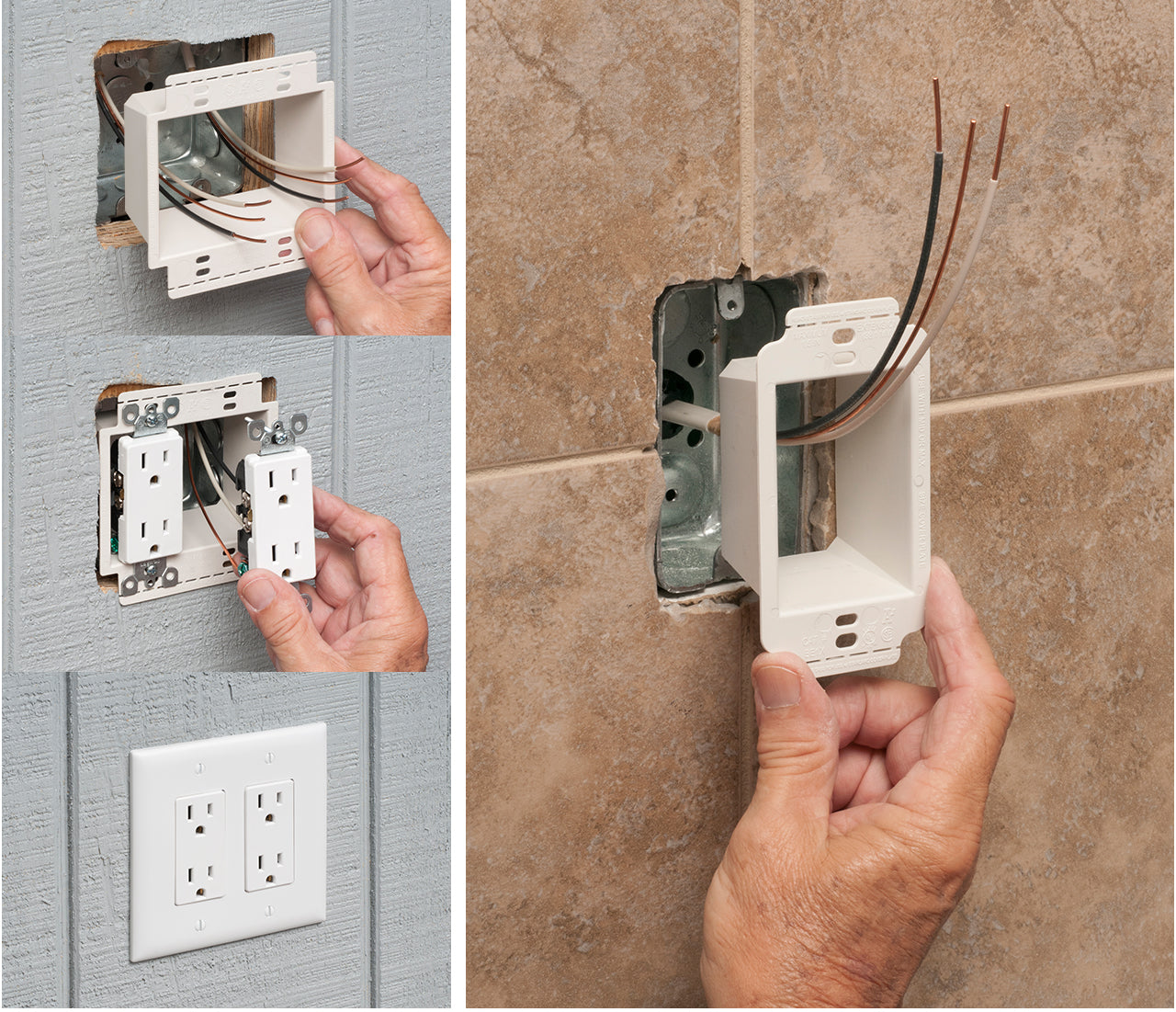
Malibu New & Old Work Electrical Outlet Boxes
Shop Fire Rated Recessed Housing in 4" and 6"