

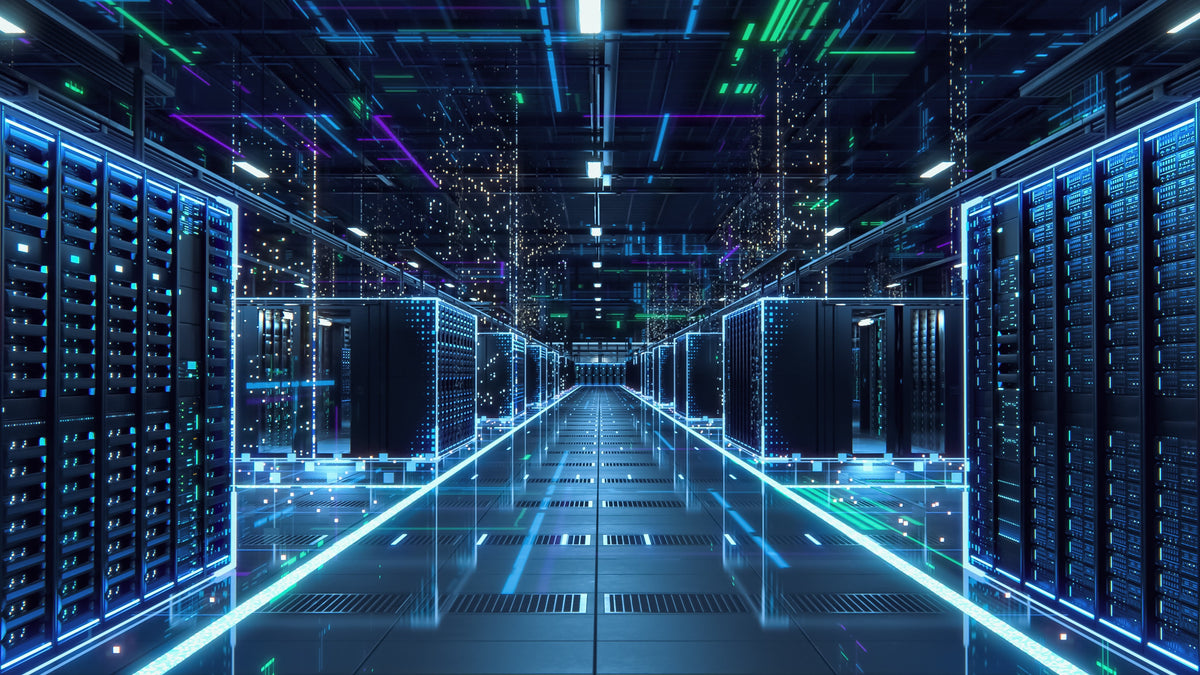
The rapid growth of artificial intelligence (AI), cloud computing, and digital infrastructure is transforming how electrical systems are designed. As data centers expand to support increasingly power-intensive technologies, electrical contractors and engineers face new challenges involving power distribution, reliability, efficiency, and scalability.
Understanding these changes is becoming essential for planning modern commercial and industrial electrical installations.
Why Is Data Center Power Demand Increasing?
Data centers operate thousands of servers, networking devices, and cooling systems that require continuous electricity. The expansion of AI workloads is accelerating this demand, particularly as high-performance processors require greater power and cooling capacity.
Several factors are driving increased electricity consumption:
-
Artificial intelligence: AI training and inference workloads can require substantial computing power.
-
Cloud computing: Businesses increasingly rely on cloud-based storage, applications, and services.
-
High-density server racks: More computing equipment is being installed within limited physical space.
-
Cooling requirements: Higher equipment densities create additional heat that must be managed.
-
24/7 operations: Data centers require highly reliable electrical infrastructure to minimize downtime.
These developments are changing how electrical engineers approach system capacity, distribution, and long-term expansion.
How Data Centers Are Changing Electrical System Design
1. Higher Power Capacity Requirements
Traditional commercial buildings typically have different electrical load profiles than large data centers. Modern data centers may require significantly greater electrical capacity, especially those supporting AI applications.
Electrical engineers must carefully evaluate transformers, switchgear, panelboards, circuit protection, and distribution equipment to accommodate these loads.
Planning for future expansion is also critical, as computing requirements can increase over time.
2. More Advanced Power Distribution Systems
Reliable power distribution is essential for data center operations.
Electrical systems often incorporate redundant power paths, uninterruptible power supplies (UPS), backup generators, and sophisticated monitoring equipment.
These systems help maintain operations during utility interruptions, equipment failures, and maintenance activities.
Properly selected electrical components, including conduit systems, electrical fittings, junction boxes, and distribution equipment, support safe and organized installations.
3. Greater Emphasis on Energy Efficiency
As electricity consumption increases, improving energy efficiency becomes an important design priority.
Electrical engineers and facility operators are evaluating ways to reduce energy losses, improve cooling efficiency, and optimize power distribution.
Common strategies include:
-
High-efficiency transformers and electrical equipment
-
Optimized power distribution layouts
-
Energy monitoring and intelligent controls
-
Improved cooling technologies
-
Efficient LED lighting systems
Reducing unnecessary energy consumption can help lower operating costs while improving overall facility performance.
4. Increased Demand for Reliable Electrical Infrastructure
Even brief power interruptions can disrupt critical data center operations.
This makes electrical reliability a central consideration during the design and construction process.
Engineers must consider equipment ratings, fault protection, system redundancy, maintenance accessibility, and applicable electrical codes.
High-quality electrical materials and proper installation practices play an important role in supporting long-term system performance.
5. Electrical Systems Must Be Designed for Future Growth
Data center technology evolves quickly. Electrical infrastructure designed for current computing requirements may need upgrades as facilities expand.
Scalable electrical designs can help accommodate additional server capacity, increased electrical loads, and future equipment installations.
For electrical contractors, this creates opportunities involving new construction, infrastructure upgrades, equipment replacement, and ongoing maintenance.
What Does Growing Data Center Demand Mean for Electrical Contractors?
The expansion of AI and data center infrastructure is creating opportunities throughout the electrical industry.
Electrical contractors may see increased demand for:
-
Commercial and industrial power distribution installations
-
Electrical conduit, fittings, and raceway systems
-
Junction boxes, electrical enclosures, and wiring accessories
-
Circuit protection and electrical distribution equipment
-
Energy-efficient commercial lighting
-
Electrical infrastructure upgrades and maintenance
As projects become more complex, sourcing dependable electrical materials and planning procurement schedules become increasingly important.
Electrical Supplies for Commercial and Industrial Projects
At Sonic Electric, we supply electrical contractors, electricians, and businesses with a wide selection of electrical products for commercial, industrial, and residential applications.
Our product categories include electrical boxes, conduit fittings, circuit breakers, panelboards, disconnect switches, lighting products, and other essential electrical supplies.
Whether you're working on a commercial electrical installation, upgrading an existing facility, or sourcing materials for a new construction project, Sonic Electric makes it easy to find the products you need.
Explore electrical supplies at SonicElectric.com.
Frequently Asked Questions
Why do AI data centers require so much electricity?
AI data centers use high-performance computing equipment that consumes substantial power. Supporting infrastructure, including cooling systems and networking equipment, adds to overall electricity demand.
What electrical equipment is used in data centers?
Data center electrical systems commonly include transformers, switchgear, panelboards, circuit breakers, UPS systems, backup generators, power distribution units, conduit, and electrical enclosures.
How does data center power demand affect electrical contractors?
Increasing demand for data center infrastructure creates opportunities for electrical installation, distribution upgrades, equipment procurement, maintenance, and expansion projects.
Why is electrical redundancy important in data centers?
Redundancy helps reduce the risk of downtime by providing alternative electrical power paths or backup systems when equipment fails or utility power becomes unavailable.
How can data centers improve electrical efficiency?
Data centers can improve efficiency through optimized power distribution, efficient transformers, advanced cooling systems, energy monitoring, and properly designed electrical infrastructure.
The Future of Data Center Electrical Infrastructure
AI and cloud computing are reshaping the electrical industry's requirements. As data center power demand continues to grow, electrical systems must become more efficient, reliable, and adaptable.
For electrical contractors and engineers, understanding these changes will be essential to designing and installing the next generation of electrical infrastructure.
Shop electrical supplies for your next project at SonicElectric.com.

Share:
Sonic Introduces New Regional Free Shipping Thresholds