

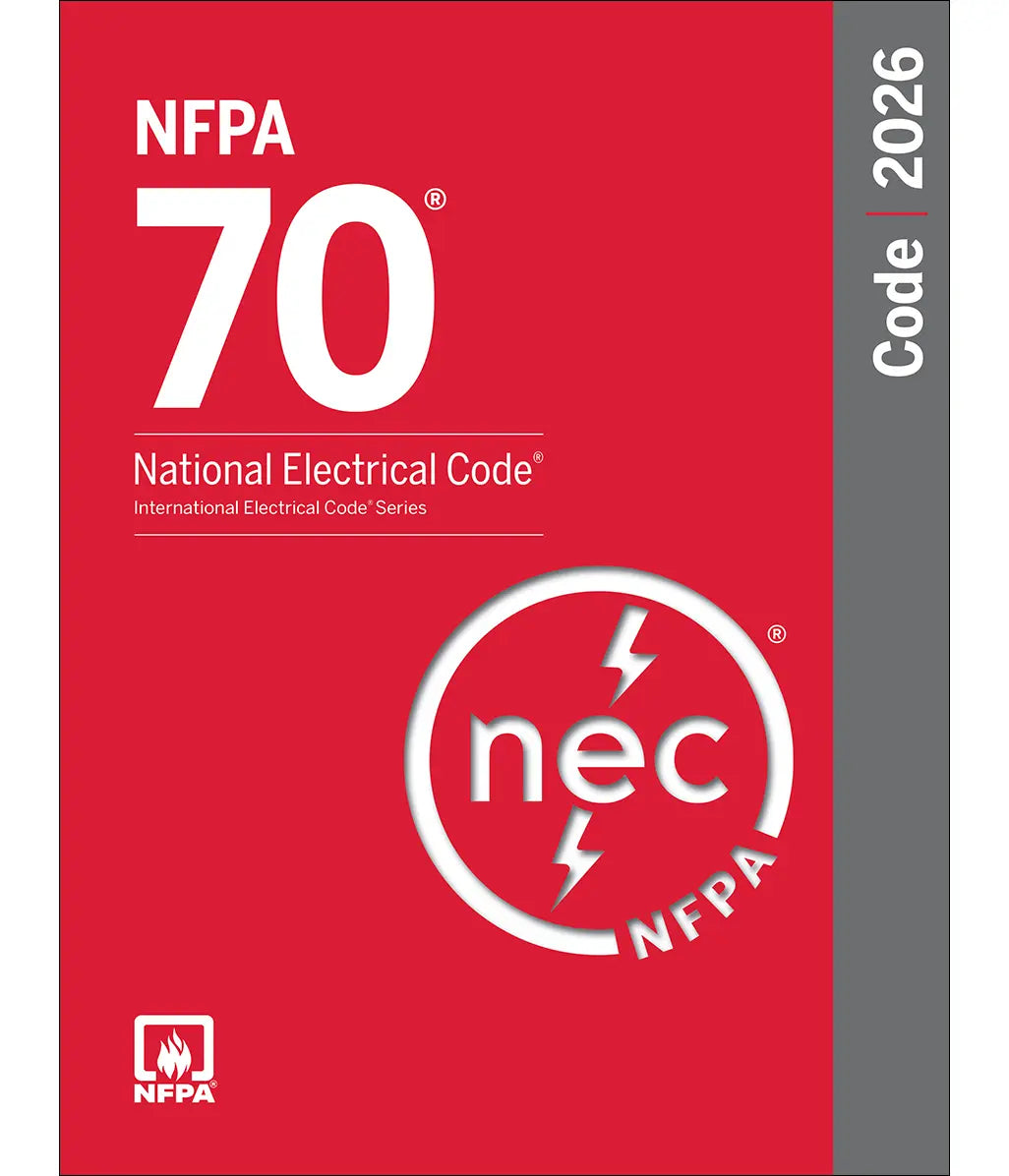
What Professionals Need to Know to Stay Compliant, Safe, and Competitive
As electrical systems evolve, so do the codes that govern them. The 2026 edition of the National Electrical Code (NEC) formally known as NFPA 70 introduces important updates that directly impact how electricians and electrical contractors design, install, label, and maintain electrical systems.
For licensed professionals and electrical supply stores like Sonic Electric, understanding these changes isn’t just about passing inspections it’s about jobsite safety, liability reduction, and staying competitive in a fast-changing electrical industry.
Below, we break down how the NEC 2026 affects electricians and contractors, what to watch out for, and why early adoption matters.
What Is the NEC and Why Does It Matter?
The NEC is the most widely adopted electrical safety code in the United States. While not a federal law, it is adopted and enforced by states and local jurisdictions, making it the standard electricians must follow on nearly every project, residential, commercial, or industrial.
Updated every three years, the NEC reflects:
- New electrical technologies
- Fire and shock hazard data
- Lessons learned from real-world incidents
- Changes in construction practices
The 2026 NEC continues this trend with a strong emphasis on worker safety, system clarity, and future-ready electrical infrastructure.
How the NEC 2026 Impacts Electricians & Contractors
1. Increased Focus on Electrical Safety & Arc-Flash Awareness
One of the most impactful updates in NEC 2026 is the expansion of arc-flash hazard labeling requirements.
Electricians and contractors must now ensure that more electrical equipment is clearly labeled with:
- Nominal system voltage
- Arc-flash boundary information
- Available incident energy (to determine PPE)
- Date of the arc-flash risk assessment
Why it matters:
These labels directly affect how electricians work on energized equipment and help prevent serious injuries, OSHA violations, and liability claims.
2. Clearer Working Space & Accessibility Rules
The NEC 2026 refines rules around working clearances and equipment accessibility, especially:
- Space around panels, switchgear, and control equipment
- Door swing and obstruction considerations
Why it matters:
Poor layout decisions can now result in failed inspections even if the electrical work itself is correct. Contractors must coordinate more closely with builders, architects, and other trades.
3. Expanded GFCI Protection Requirements
Ground-Fault Circuit-Interrupter (GFCI) protection continues to expand in the 2026 NEC, including:
- Additional locations requiring protection
- Updated guidance for modern equipment that may cause nuisance tripping
Why it matters:
Electricians must select the correct type of GFCI device for today’s HVAC systems, variable-frequency drives, and electronic loads to avoid callbacks and failures.
4. Service Disconnect & Emergency Shutoff Clarifications
For residential and light commercial projects, the NEC 2026 reinforces:
- Service disconnect placement and accessibility
- Outdoor disconnect requirements for dwellings
- Clear identification for emergency responders
Why it matters:
Improper disconnect placement is a common inspection failure. Getting it right the first time saves time, money, and reputation.
5. Load Calculations, Power Control & Energy Management
As buildings become more energy-dense, the NEC 2026 improves guidance on:
- Load calculations
- Power Control Systems (PCS)
- Energy Management Systems (EMS)
Why it matters:
These updates help electricians avoid oversizing services while still meeting safety requirements especially important in mixed-use buildings, multifamily projects, and facilities with EV charging.
6. EV Charging & Future-Ready Electrical Systems
With electric vehicles becoming mainstream, NEC 2026 expands clarity around:
- EV supply equipment (EVSE)
- Emergency shutoffs
- Receptacle and hard-wired charger installations
Why it matters:
Contractors who understand these requirements are better positioned to win EV-related projects and avoid costly rework.
What Electricians & Contractors Should Do Now
To stay ahead of the NEC 2026, professionals should:
✅ Invest in Code Education
Code updates are not optional. Training ensures your team understands what changed, why it changed, and how to apply it correctly.
✅ Update Jobsite Standards
Checklists, labeling procedures, panel layouts, and safety protocols should all be reviewed to align with NEC 2026 requirements.
✅ Coordinate Early With Inspectors
NEC adoption varies by state and city. Knowing when and how your jurisdiction adopts NEC 2026 can prevent confusion mid-project.
✅ Align With Workplace Safety Standards
Pair NEC compliance with NFPA 70E best practices to protect workers and reduce risk.
Why NEC 2026 Matters for Electrical Supply Houses Like Sonic Electric
For professional electrical contractors, NEC 2026 is more than a rulebook it’s a roadmap for:
- Safer jobsites
- Cleaner, more inspectable installations
- Reduced liability and downtime
- Stronger trust with clients and inspectors
At Sonic Electric, staying current with NEC updates allows us to deliver code-compliant, future-ready electrical solutions that protect people, property, and performance.
Final Thoughts: Code Knowledge Is a Competitive Advantage
The NEC 2026 reinforces a simple truth: electrical work is evolving, and the most successful electricians and contractors evolve with it. Those who understand the code don’t just pass inspections they lead the industry.
If you’re planning new construction, a major upgrade, or want to ensure your electrical systems meet the latest safety standards, working with a contractor who understands the 2026 NEC makes all the difference.
Shop Electrical Supplies at Sonic Electric.

Share:
Your Supply House Reimagined: Why Electricians Are Moving Their Purchasing Online with Sonic Electric
Online Electrical Supply House vs Local Supply House: Which Is Better for Today’s Electrician?